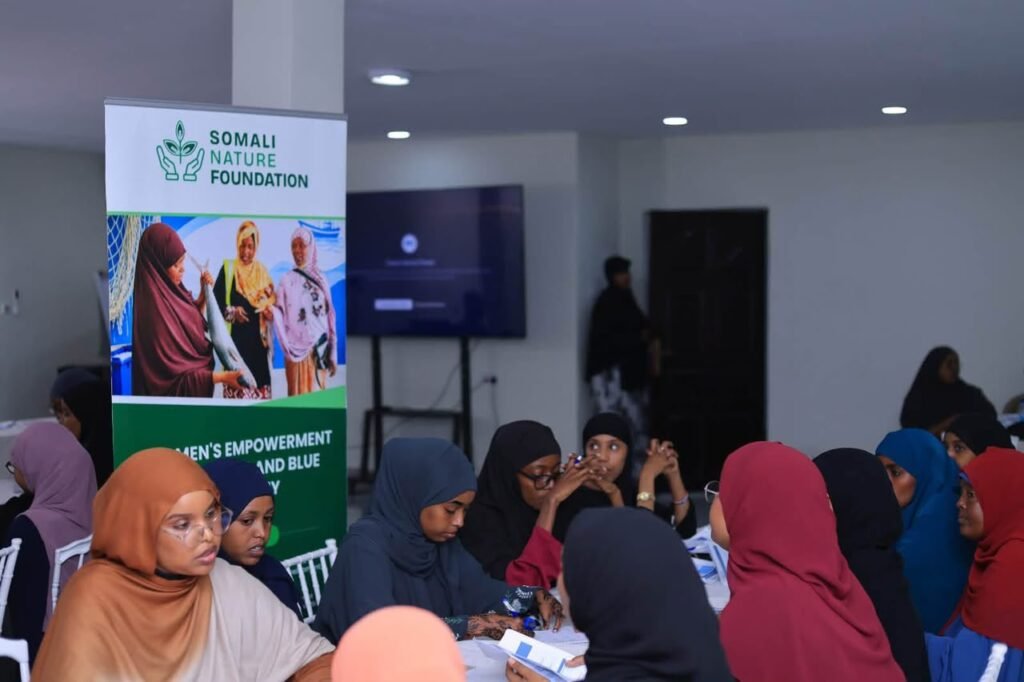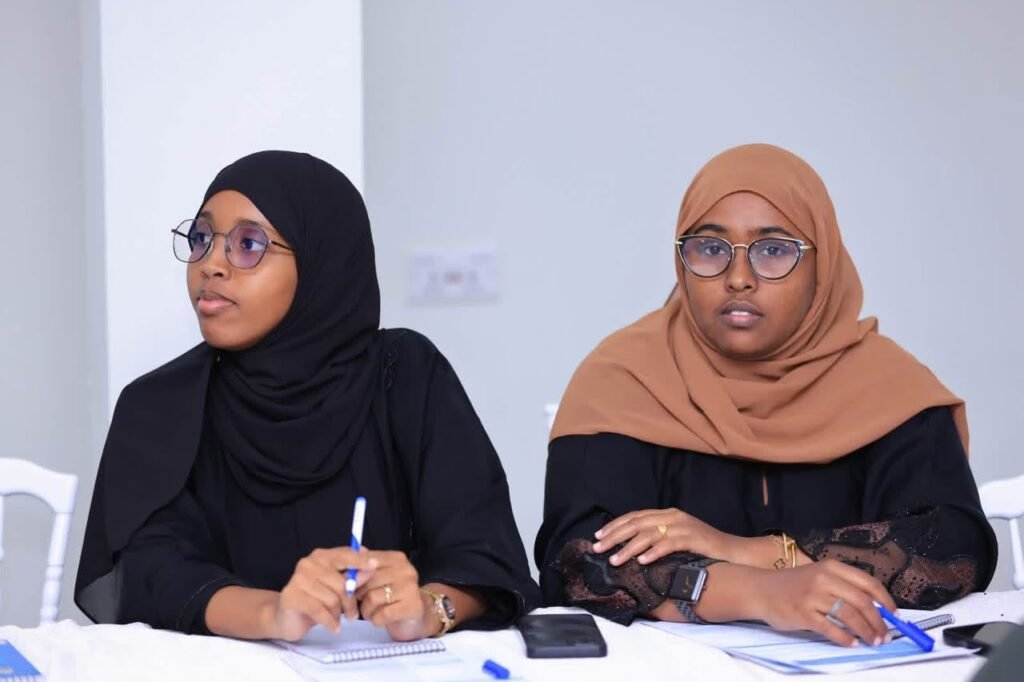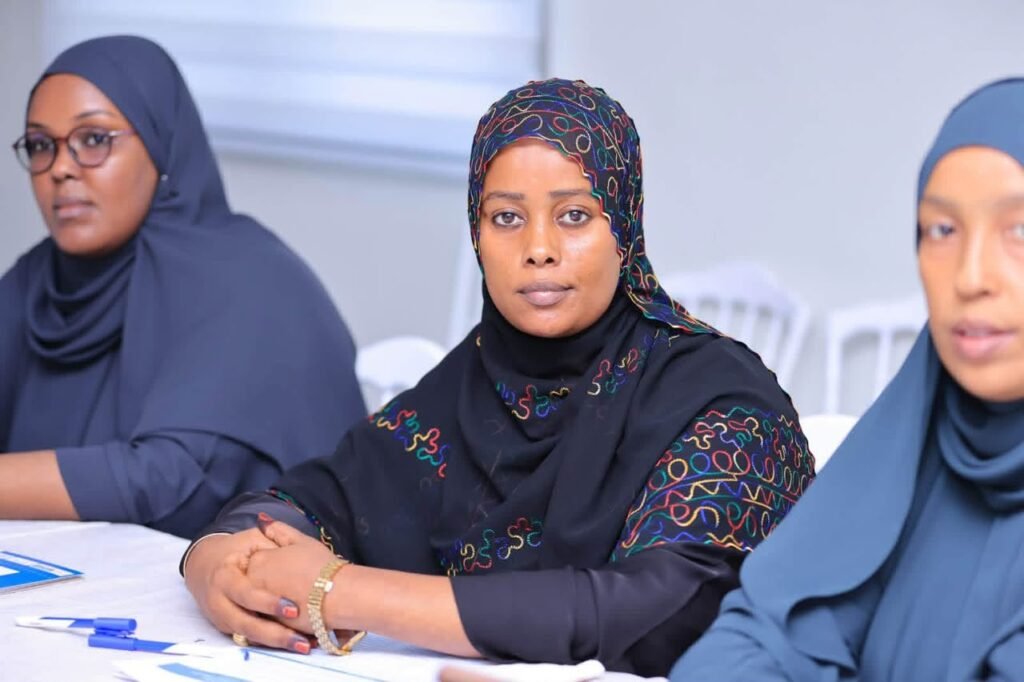
Fish can pass through several businesses before reaching a customer. It may be cleaned, processed, chilled, transported, or sold at a market. Each of those activities can provide an entry point for women looking to earn an income or grow a business in Somalia’s blue economy. The Somali Nature Foundation (SONAFO) highlighted economic opportunities for women at its November 2026 awareness session in Mogadishu.
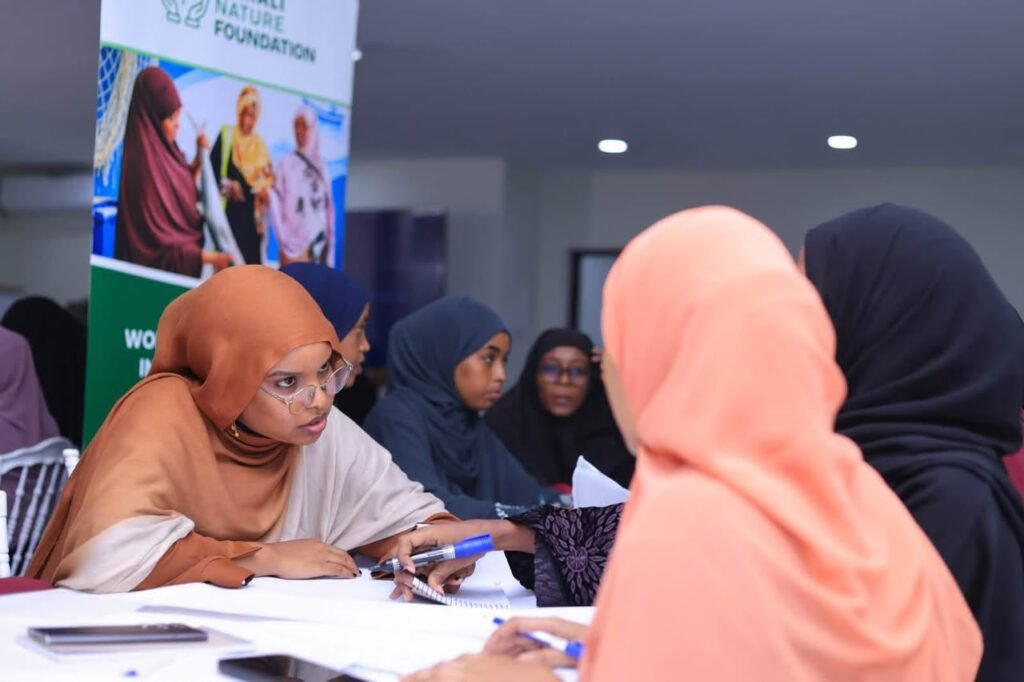
Where opportunities exist for women in Somalia’s blue economy
Processing and retail offer two examples. A small business can prepare fish for local customers or supply buyers that need a consistent product. Storage and distribution can also support businesses by helping fish reach customers in good condition. Reducing spoilage can help communities retain more value from fish already caught.
For a woman starting or expanding a fisheries enterprise, a promising market is only one part of the decision. She also needs to know whether she can source fish reliably, meet food safety requirements, cover transport and storage costs, and get paid on time. Access to finance, shared facilities, and dependable buyers can influence whether the business can grow.
Women can help shape fisheries investment
Women who manage fisheries businesses can identify where investment would make a difference. For some, the priority may be access to clean workspaces or cold storage. For others, it may be affordable transport or better links to wholesale buyers. Including women in conversations about fisheries investment can help ensure that projects reflect how local businesses operate. SONAFO’s Mogadishu session brought visibility to these economic opportunities as part of a broader conversation on women’s empowerment.