Climate change is becoming one of the most significant environmental challenges facing Somalia. Changes in rainfall patterns, prolonged droughts, floods, rising temperatures, and other climate-related pressures are affecting communities, agriculture, livestock, water resources, and ecosystems across the country. For many Somali families whose livelihoods depend on natural resources, climate change is not a distant problem—it is already influencing everyday life.
Drought remains a major challenge for communities that depend on livestock and agriculture. When rainfall becomes unpredictable or insufficient, water sources decline, pasture becomes scarce, and livestock productivity can decrease. At the same time, sudden and intense rainfall can cause flooding, damaging homes, roads, farms, and other infrastructure. These challenges demonstrate the importance of strengthening community preparedness and developing practical solutions that help people adapt to changing environmental conditions.
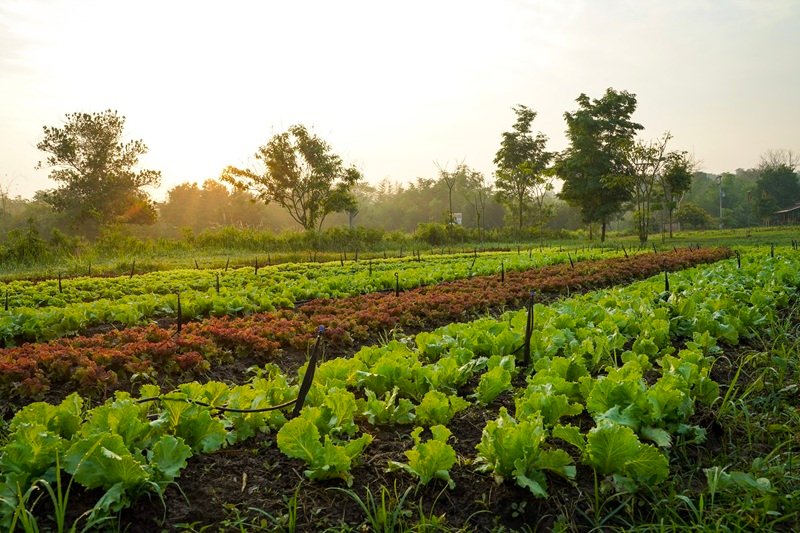
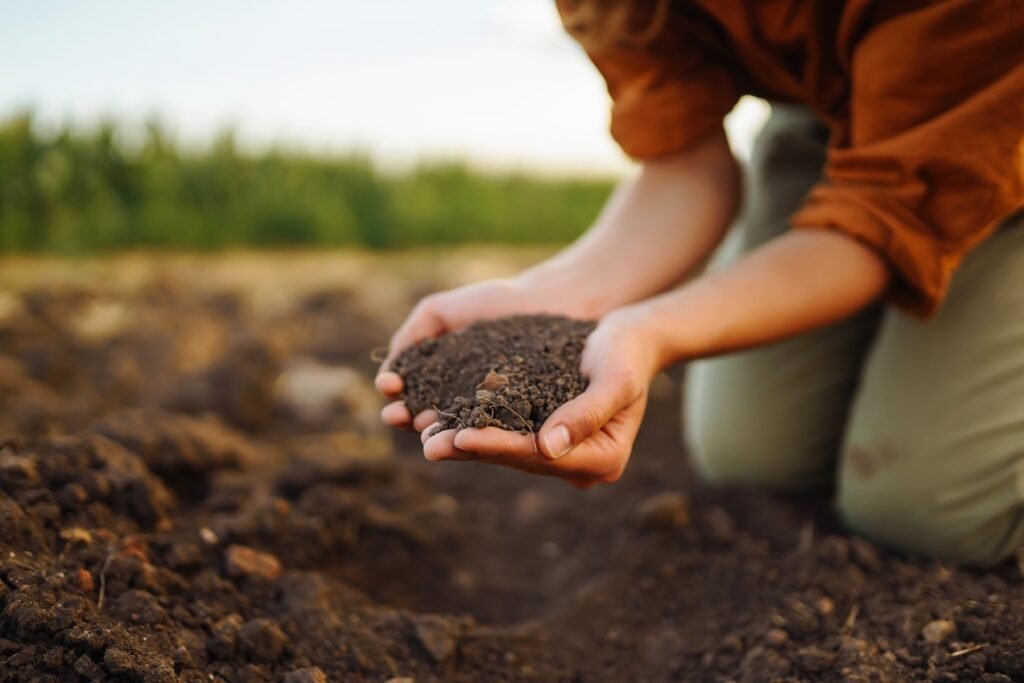
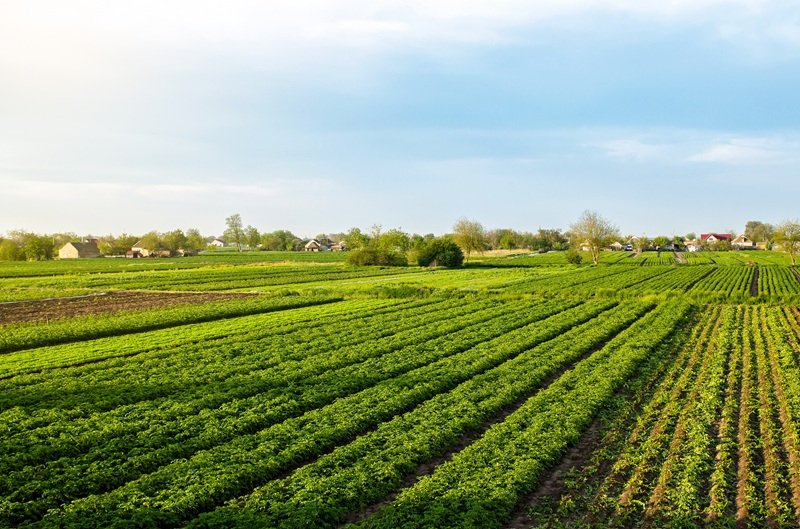
Building climate-resilient communities requires investment in sustainable water management, ecosystem restoration, climate-smart agriculture, and improved early warning systems. Restoring degraded land and protecting vegetation can help improve soil quality, reduce erosion, and increase the ability of ecosystems to withstand drought and heavy rainfall. Communities can also benefit from improved access to climate information, allowing farmers, pastoralists, and local authorities to make better-informed decisions.
Young people have an especially important role in addressing climate change. Somalia has a young population with significant potential to become a powerful force for environmental protection and innovation. Environmental education, community campaigns, youth-led conservation activities, and green entrepreneurship can empower young people to develop solutions that address both environmental and economic challenges.
Addressing climate change also requires strong partnerships. Government institutions, local communities, civil society organizations, development partners, researchers, and the private sector must work together to develop practical and locally appropriate solutions. Collaboration can help mobilize resources, strengthen environmental governance, and ensure that climate initiatives reach the communities most affected by environmental challenges.
SONAFO is committed to supporting environmental awareness, conservation, and community resilience across Somalia. By protecting ecosystems, promoting sustainable practices, and empowering communities with knowledge and practical solutions, we can reduce environmental risks and create a more resilient future. Climate action is a shared responsibility, and every positive action—whether by an individual, community, organization, or institution—can contribute to protecting Somalia’s people and natural heritage.